Fantasy & TV Hub
Fantasy Tools.Streaming Picks.
Daily fantasy platforms, season-long league hubs, research tools, and the streaming services that carry every game — all in one place.
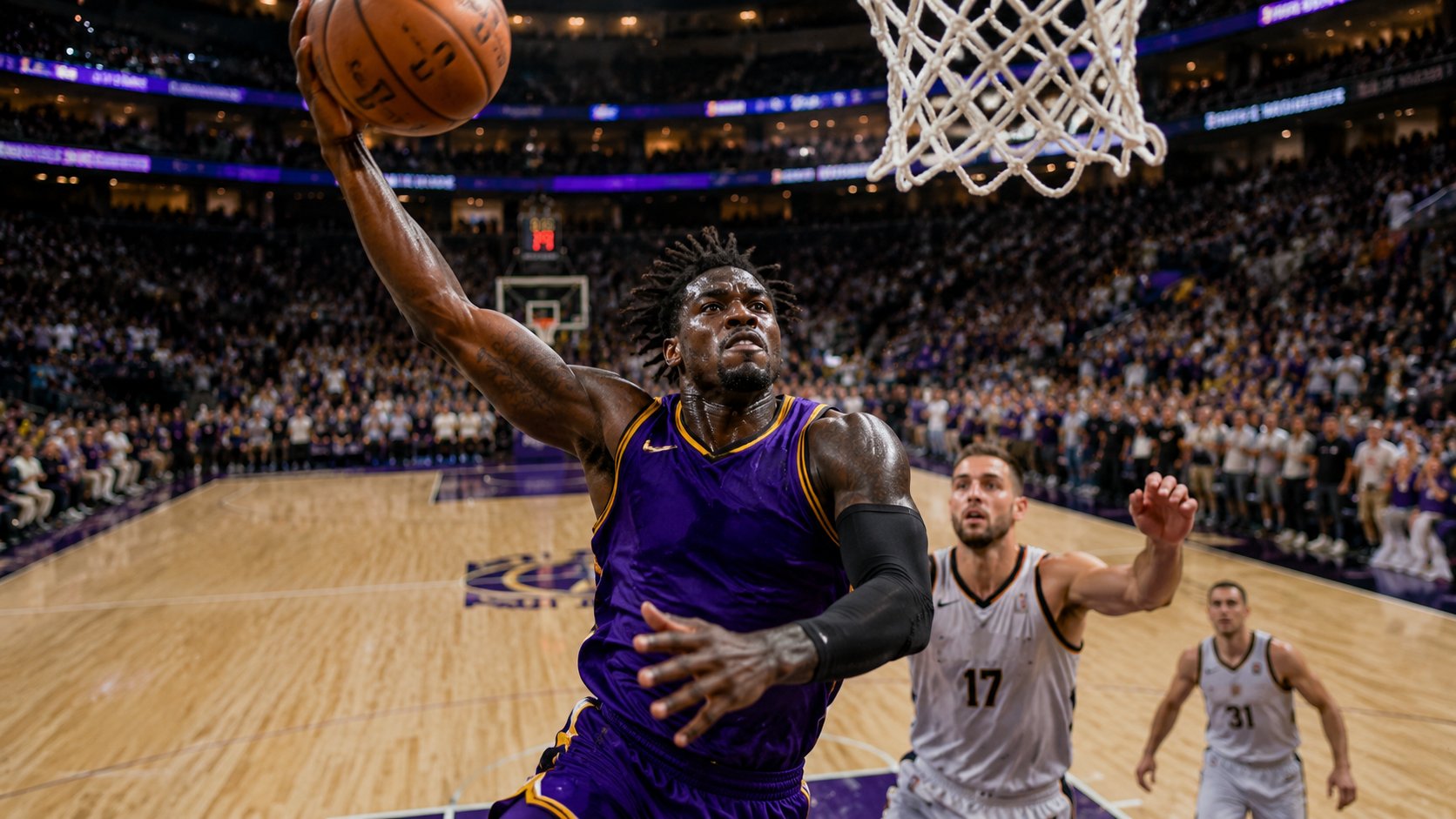
Daily fantasy platforms, season-long league hubs, research tools, and the streaming services that carry every game — all in one place.
Common questions about playing fantasy football, basketball, baseball, and daily fantasy sports.
Season-long fantasy involves drafting a team and managing it across an entire season, competing against the same league members week to week. Daily fantasy sports (DFS) let you build a new lineup for a single day or week of games, with contests that pay out quickly. Both test your sports knowledge but differ in time commitment and pace.
Successful fantasy drafts balance proven producers with upside picks. Prioritize a strong foundation at running back and wide receiver early, use rankings and projections as a guide, account for your league's scoring settings (standard, PPR, or half-PPR), and avoid reaching for a quarterback or tight end too early in most formats.
PPR stands for 'Points Per Reception' — a scoring format where players earn points for each catch in addition to yardage and touchdowns. PPR boosts the value of pass-catching running backs and high-volume receivers. Half-PPR awards half a point per reception, while standard scoring awards none.
Daily fantasy sports are legal in most U.S. states, though some states restrict or regulate paid contests. Legality and rules vary by state, so check your local regulations before entering paid DFS contests. Free fantasy leagues are generally available everywhere.
Helpful fantasy tools include player rankings, projections, injury reports, matchup analysis, and lineup optimizers. Following expert advice, monitoring waiver-wire trends, and tracking player news close to game time all give you an edge. Staying active and responsive throughout the season matters as much as your draft.
A standard fantasy football roster typically includes a quarterback, two running backs, two or three wide receivers, a tight end, a flex spot (RB/WR/TE), a kicker, and a team defense, plus bench players. Exact roster sizes and positions vary by league settings.
The waiver wire is the pool of unowned players available to add to your roster during the season. Leagues use a waiver system — often priority-based or budget-based (FAAB) — to fairly distribute newly available players. Working the waiver wire to find breakout players and replace injured ones is key to winning.
In most standard formats, the consensus strategy is to wait on quarterback, since the position is deep and the points difference between top and mid-tier QBs is often small. Prioritize running backs and wide receivers early, then target a quarterback in the middle rounds — though strategies vary by league scoring.